
how we teach
OUR Definition of
blended learning
Blended learning is an educational approach in which instruction and content are delivered through a combination of traditional, teacher-led methods and online or digital tools. This combined approach gives students meaningful choice in the path and pacing of their learning, in ways that are developmentally appropriate for their age and grade level.
We use a blended learning approach because it allows for an individualized experience for each student. It challenges them academically while building soft skills, such as time management, self-advocacy, and self-discipline, that serve them well in college and in their careers.
What "Blended"
Really Means
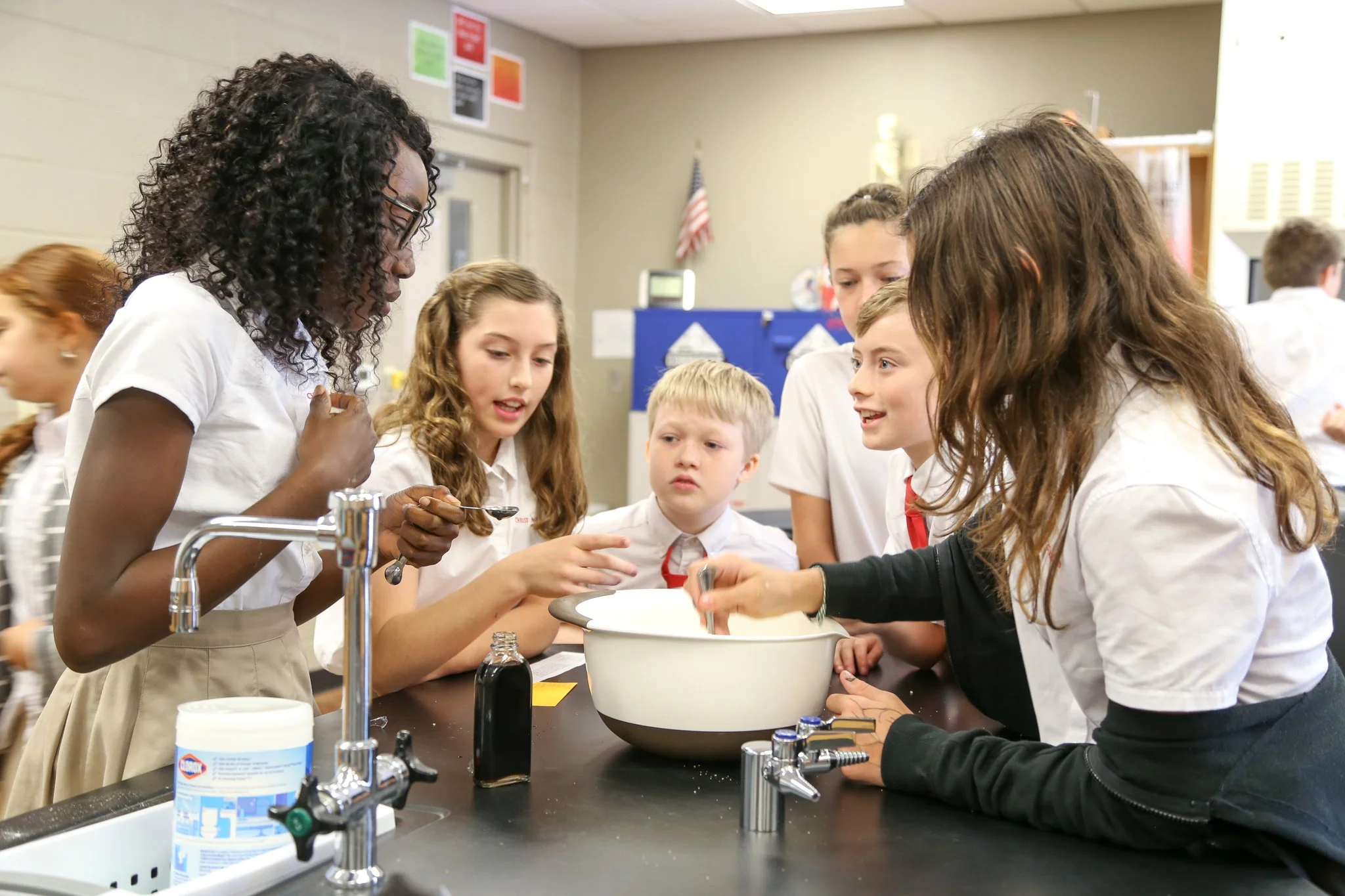
A common misconception is that blended learning means students are working independently on computers all day. That is not the case. "Blended" means exactly that: a true mix of traditional paper and pencil work and online learning, woven together throughout the school day. For example, students might engage in class discussion or lecture, collaborate with peers on projects, complete written assignments or independent practice problems, and work through online modules, depending on the lesson and the skill being taught. Technology is used in an intentional way that mirrors how it's used in the work world; it is not treated as the answer to everything.
Blended Learning IN EACH GRADE LEVEL
Blended learning looks different depending on a student's grade level and developmental stage, with technology playing a larger role as students get older and are more ready to use it independently. Technology use is intentionally aligned across grade levels, with new tools introduced at each step, so that by the time students reach high school, they are fully prepared to thrive in a blended environment.
-
Early Education students build the foundation for choice and independence through centers and imaginary play. Technology is used very rarely at this stage, as students are developing the social, emotional, and cognitive skills that blended learning will later build upon.
-
Lower School students become 1:1 with iPads and are introduced to technology in a limited capacity. From the start, they learn to use these devices as productivity tools rather than for gaming or entertainment. Students may have choice over how they complete an assignment, sometimes digitally and sometimes on paper, as they begin to build comfort and familiarity with these tools.
-
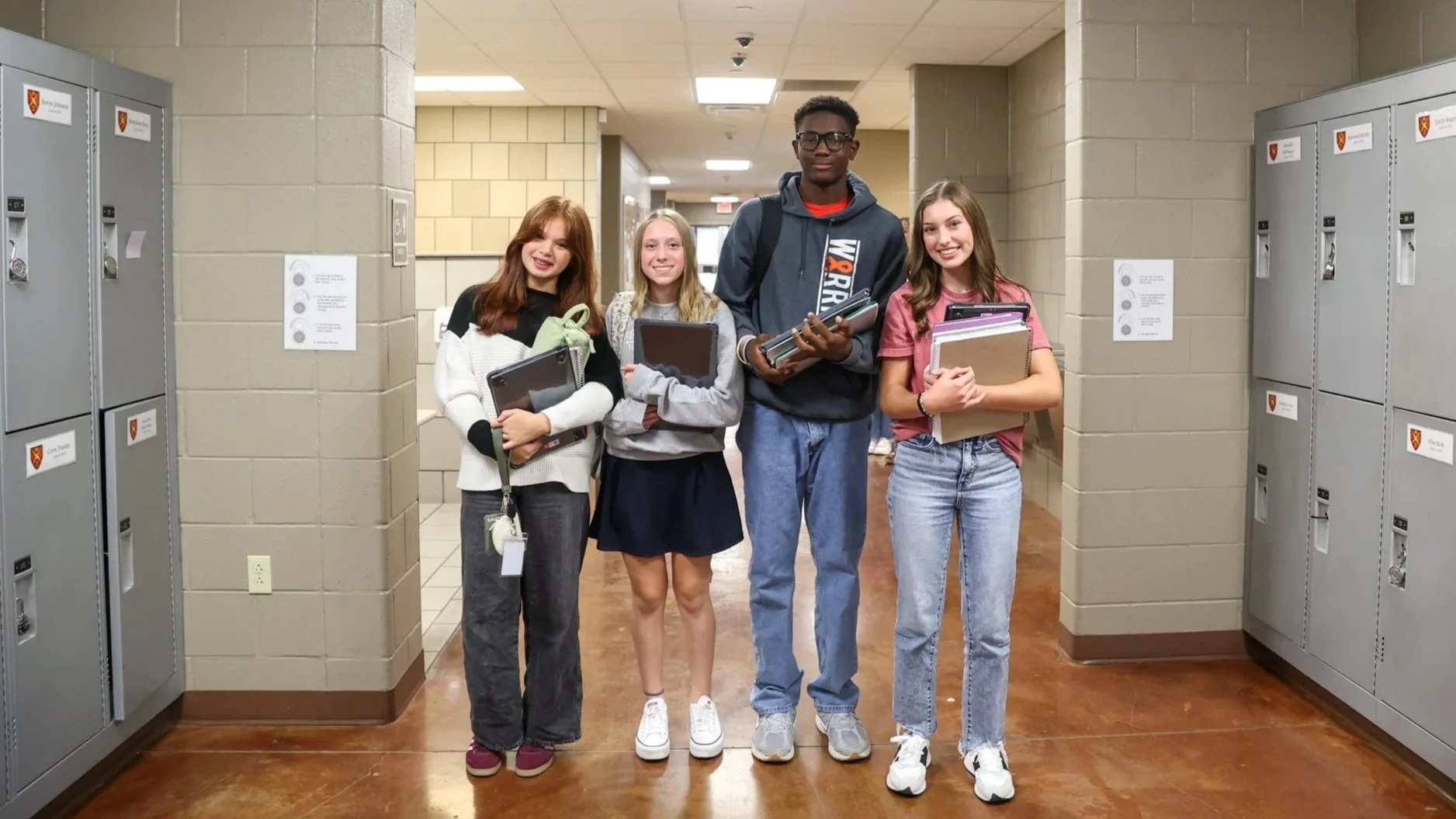
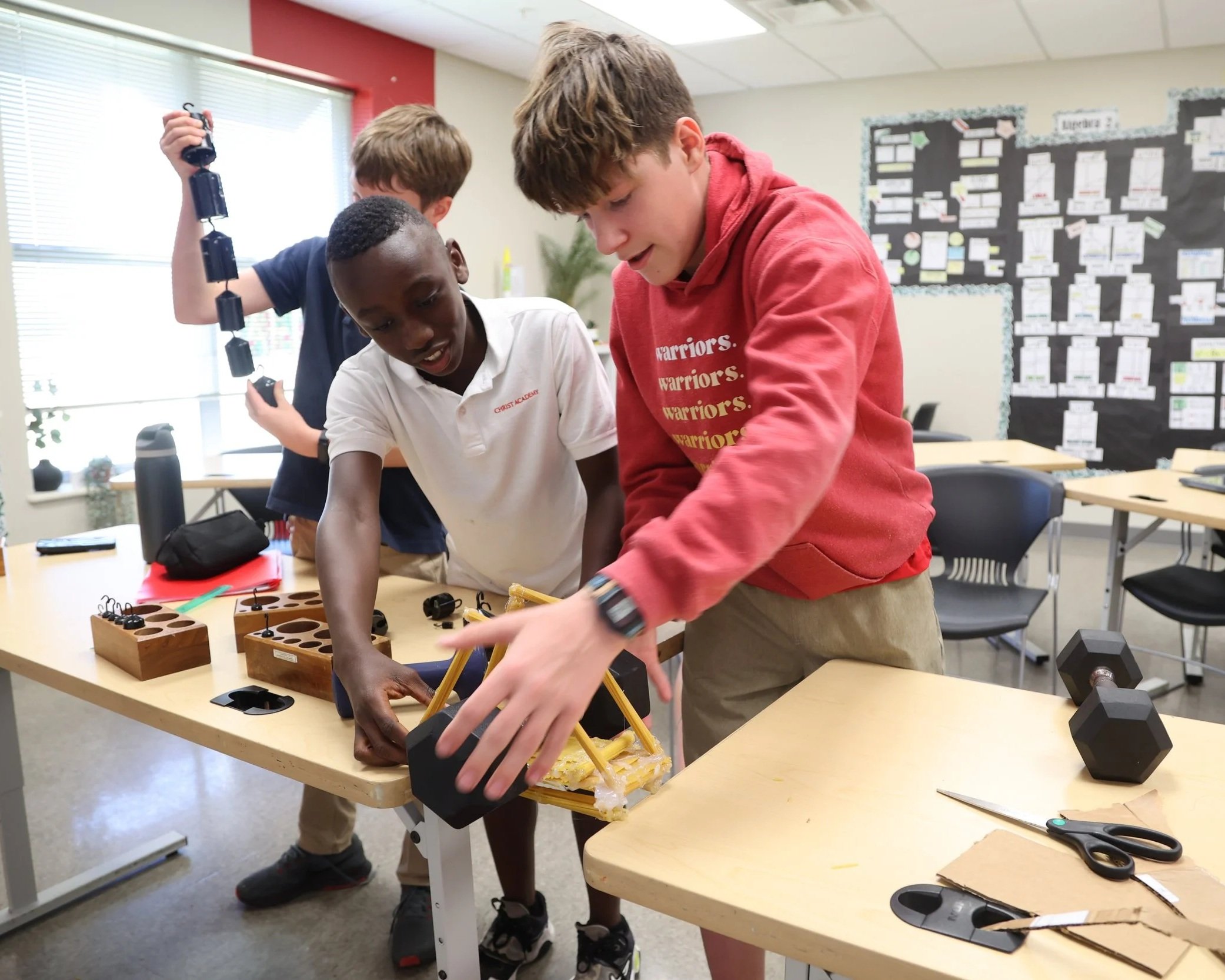
Middle School students become 1:1 with laptops and take on more responsibility for managing their own learning within the boundaries of a traditional class schedule. They have greater choice in how they approach assignments and projects, and online tools are used more regularly to research, organize, and demonstrate their learning, alongside continued discussion, collaboration, and hands-on work.
-
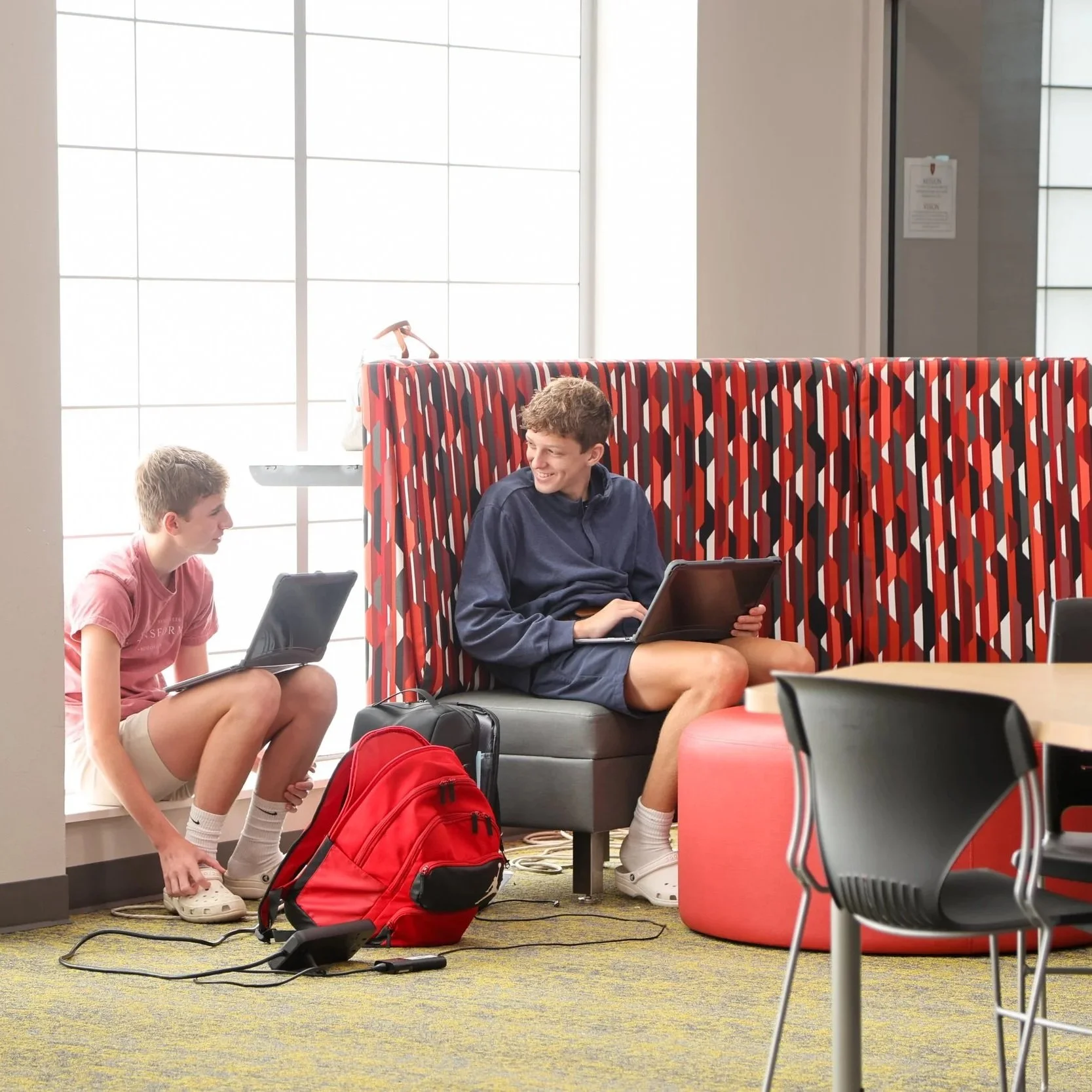
High School students have the greatest degree of independence and choice in path and pacing, preparing them for the expectations of college and the workplace. Their class schedule more closely mirrors a college schedule, and students regularly move between in-person instruction, collaborative work, and online learning, developing the self-management skills needed to navigate a world where remote, hybrid, and in-person work are all part of daily life.
“The goal of our blended learning approach is to give students choice within boundaries and prepare them to be independent, self-aware, and prepared for college and the workforce. We understand future employees will be expected to be able to seamlessly shift from remote work, working from home, and working on site.”